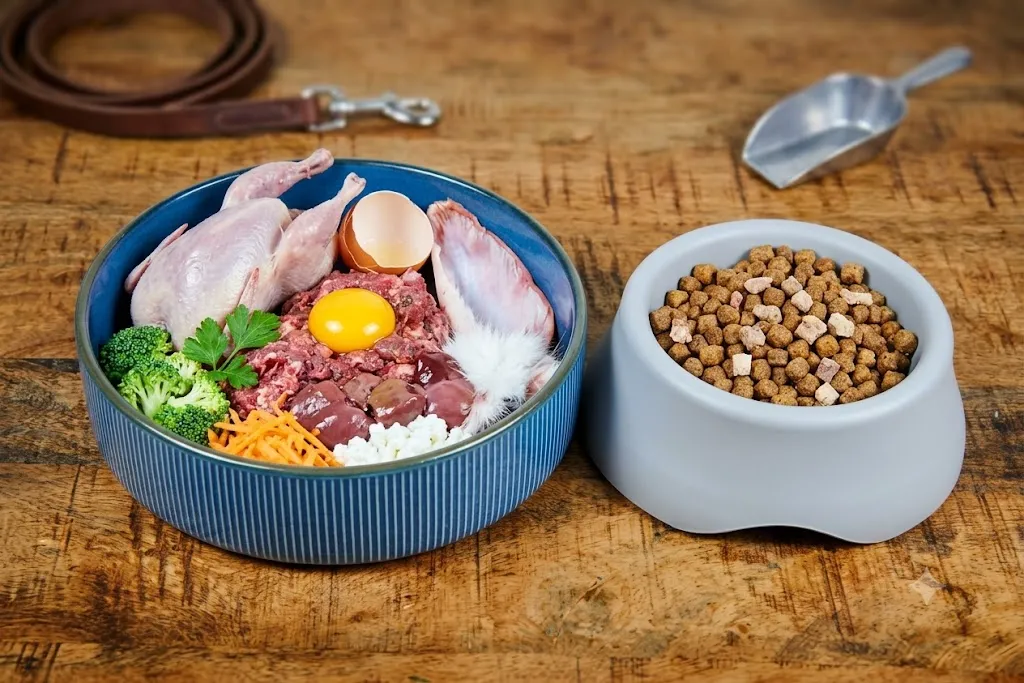
Have you ever flipped over a bag of dog food and paused at one confusing ingredient? Pet owners often misunderstand poultry by-product meal, making it one of the most confusing ingredients on a dog food label. Some pet owners avoid it completely. Others never think twice about it. This guide breaks down exactly what this ingredient is, how it is made, and whether it truly belongs in your dog’s bowl. By the end, you will understand the science, the regulations, and the practical steps for reading any dog food label with real confidence, so you can shop smarter on your next store trip.
What Is Poultry By-Product Meal?
Manufacturers produce poultry by-product meal by rendering the clean parts of poultry carcasses. According to AAFCO, it can include necks, feet, undeveloped eggs, and internal organs. It does not include feathers, except in unavoidable trace amounts. Manufacturers cook these parts down, then grind them into a dry, concentrated protein powder. This process removes most of the moisture, giving the finished meal a high protein concentration by weight.
The word “poultry” here is intentionally broad. It usually refers to a blend of birds rather than a single named species. That is a key detail pet owners often overlook when comparing dog food labels side by side. Once you understand this distinction, reading an ingredient panel becomes far less intimidating.
How Is This Ingredient Made?
The production of this ingredient follows a specific industrial process called rendering. Understanding this process helps explain why the final product looks so different from fresh chicken breast or thigh meat sold at a grocery store.
The Rendering Process Explained
Rendering involves cooking poultry parts at high temperatures for a set period of time. This step kills bacteria and separates fat from protein and bone. Manufacturers dry the remaining material and then grind it into a fine, uniform meal. Because water and fat are removed early in the process, the resulting meal ends up with a much higher protein concentration than fresh, unprocessed chicken of the same weight. This is simply a matter of moisture math, not a sign of poor quality by itself.
Common Ingredients Used in This Rendered Meal
The exact mix varies by supplier and by batch. Most of this rendered meal contains organ meat, bone, and connective tissue. Some batches also include necks and feet from multiple bird species. Reputable manufacturers avoid adding feathers, beaks, or waste material, which lower quality standards strictly prohibit under federal and state feed laws. Third-party audits and regular testing help keep these standards consistent across large production runs.
Why Do Manufacturers Use This Ingredient?
Cost efficiency is one major reason manufacturers choose this rendered ingredient over fresh muscle meat alone. Rendering allows companies to use more of the bird, which reduces food waste across the industry. This also keeps dog food more affordable without sacrificing overall protein content. The finished meal offers a longer shelf life than fresh meat, too, which helps preserve product safety during storage and long-distance shipping. For budget-conscious households, this efficiency can make a real difference in monthly pet care costs.
Poultry By-Product Meal vs Whole Poultry vs Poultry Meal
Many owners assume “poultry,” “poultry meal,” and “poultry by-product meal” all mean the same thing. They don’t. Whole poultry includes muscle meat with a naturally high water content, often around 70 percent. Poultry meal is rendered muscle meat without organs included. This particular ingredient sits between those two categories, relying on organs and other parts instead of pure muscle tissue alone.
Key Nutritional Differences
This rendered ingredient often shows a higher protein percentage on paper than fresh chicken, simply because moisture has been removed. However, it can also contain more ash and mineral content from bone. This isn’t automatically a problem, since bone meal supplies calcium and phosphorus that dogs need for strong joints and healthy teeth throughout their life.
Is This Ingredient Good for Dogs?
This is the question most pet owners really want answered. The honest answer depends heavily on the quality and source of the specific ingredient used in any given formula.
Nutritional Benefits of Poultry By-Product Meal
This ingredient delivers a concentrated source of essential amino acids. Organ meats like liver and heart are naturally rich in iron, zinc, and vitamin B12. These nutrients support healthy red blood cell production and a strong immune system. Many veterinary nutritionists actually consider organ-based ingredients more nutrient-dense than plain muscle meat alone. The fat rendered during processing can also contribute beneficial omega fatty acids. These support skin and coat health, which many owners notice within a few weeks.
Possible Drawbacks and Quality Concerns
The biggest concern with this rendered ingredient is inconsistency between brands. Quality can vary widely from one manufacturer to the next. Lower-cost brands may source from suppliers with looser quality standards. This inconsistency makes it harder for pet owners to know exactly what they are feeding their dog. Choosing brands that publish clear sourcing details helps reduce this uncertainty significantly, and it is worth the extra few minutes of label research.
Digestibility of This Rendered Ingredient
Digestibility depends on how the meal was processed and dried. High-quality poultry by-product meal, processed at controlled temperatures, is generally easy for dogs to digest. Overheated or poorly stored meal, however, can lose nutritional value and become harder on a dog’s stomach. This is why the manufacturing process matters just as much as the ingredient name printed on the bag. If your dog needs extra help breaking down protein, a gut health supplement can support healthy digestion alongside the right food.
AAFCO Guidelines for Poultry By-Product Meal
The Association of American Feed Control Officials, known as AAFCO, sets ingredient definitions for pet food sold across the United States. Under AAFCO rules, this ingredient must come from clean, slaughtered poultry parts only. It cannot legally include diseased tissue, dirt, or manure of any kind. Brands that follow AAFCO standards must also meet minimum protein and maximum ash limits. This adds an extra layer of consumer protection for every dog owner shopping the pet food aisle.
How to Identify Quality Rendered Poultry Meal on Labels
Not all rendered poultry ingredients are created equal, and the label often holds useful clues about overall quality.
Reading the Ingredient List Correctly
Ingredients are listed by weight, from heaviest to lightest. If poultry by-product meal appears among the first three ingredients, it is a primary protein source in that formula. Named sources, like “chicken by-product meal,” are generally considered more transparent than vague blended terms, since a single named species is easier to trace and verify.
Red Flags to Watch For
Watch closely for vague sourcing language and missing species names on the ingredient panel. A lack of named animal sources often signals looser quality control behind the scenes. Reputable dog food brands are usually happy to disclose exactly which bird species goes into their formula, along with general sourcing origin and processing standards.
Should Your Dog Eat Food With This Ingredient?
The right answer depends on your individual dog’s age, health history, and known sensitivities. There is no single formula that fits every household.
Dogs With Sensitive Stomachs
Dogs with sensitive stomachs may react differently to poultry by-product meal, depending on the source and overall quality. Some dogs handle it perfectly well, since organ meat is naturally easy to digest. Others may show symptoms like loose stools if the product contains excess bone or connective tissue. If your dog has a sensitive stomach, introduce any new food gradually and monitor closely how they respond over the first week or two.
Puppies and Senior Dogs
Puppies need extra protein and minerals to support healthy growth, and this rendered ingredient can help meet those demands when it is high quality. Senior dogs, meanwhile, benefit from easily digestible protein sources that support aging joints and muscle mass. In both life stages, overall product quality matters far more than the ingredient name on the bag. Comparing a few brands side by side is always worth the effort.
Frequently Asked Questions About Poultry By-Product Meal
Is Poultry By-Product Meal Safe for Dogs?
Yes, this ingredient is safe for most healthy dogs when it comes from a reputable manufacturer. AAFCO regulates what can legally be included, which limits the risk of contamination. It is always worth checking for feeding trials or quality certifications printed on the packaging before buying a new bag. The FDA also monitors pet food safety at the federal level, alongside AAFCO’s ingredient standards.
Is Poultry By-Product Meal the Same as Chicken By-Product Meal?
Not exactly. Chicken by-product meal comes from a single named species, chicken. Poultry by-product meal can include a mix of bird species, such as chicken, turkey, and duck combined together. Named ingredients are typically considered more transparent and easier to trace back to their original source.
How Much of This Ingredient Should Be in Dog Food?
There is no single universal rule, since needs vary by a dog’s size, age, and activity level. Instead of chasing an exact percentage, check that the overall diet meets AAFCO nutrient profiles for your dog’s specific life stage. A veterinarian can help confirm whether a specific formula truly fits your dog’s individual needs and any existing health conditions.
Final Thoughts on This Ingredient in Dog Food
This rendered protein ingredient is not inherently good or bad on its own. Its real value depends almost entirely on sourcing and manufacturing standards behind the label. When it comes from a trusted brand, poultry by-product meal can be a nutrient-dense, cost-effective protein source for dogs of nearly any age. Reading labels carefully and choosing brands that disclose their sourcing helps you make a genuinely informed decision for your dog’s daily diet, today and in the years ahead. A quick conversation with your veterinarian never hurts either, especially if your dog has an existing health condition.