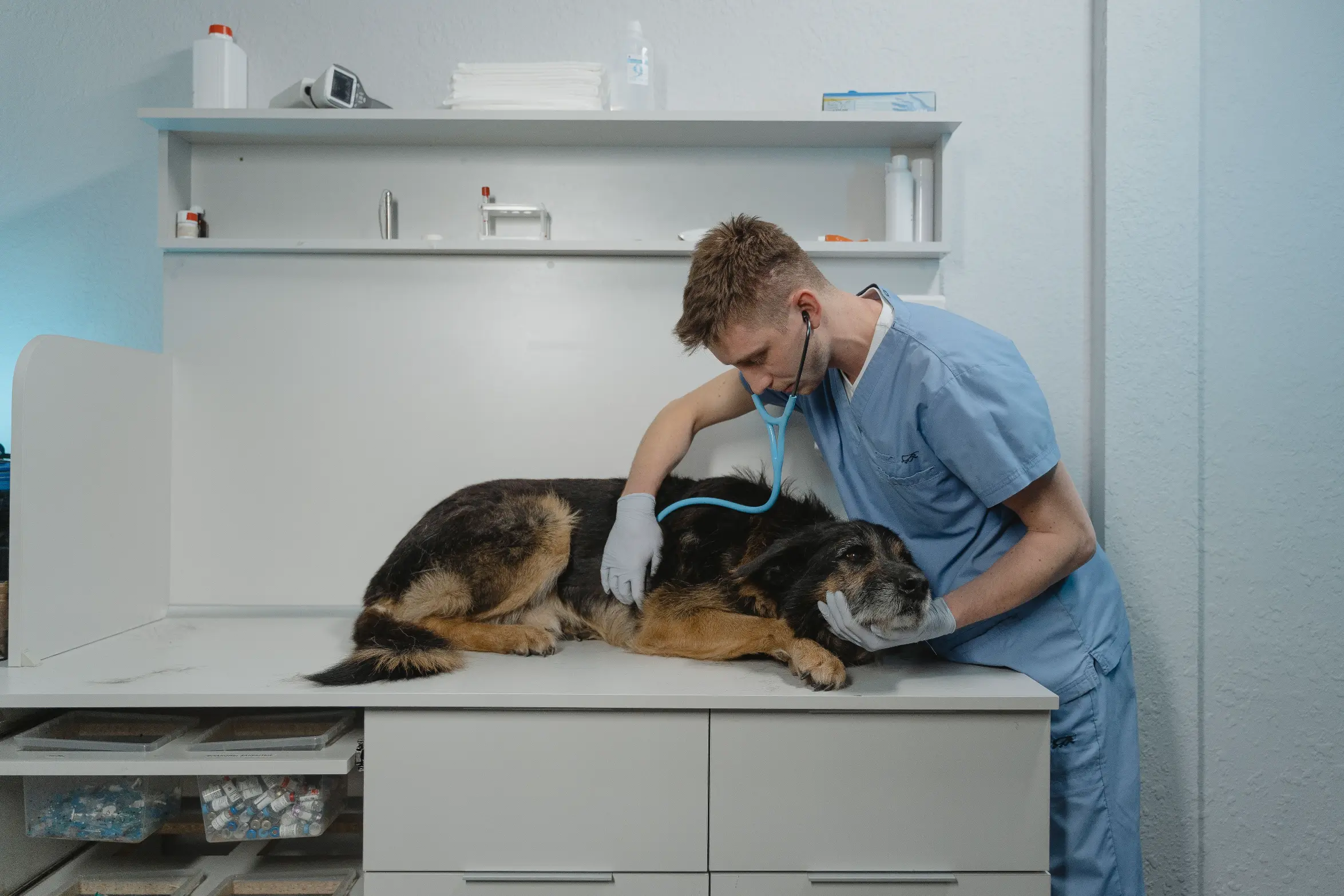
High blood pressure is not just a human health problem. Dog hypertension is a real and often silent condition. Many owners never notice it until damage has already occurred. Left untreated, it can harm the eyes, heart, kidneys, and brain.
This guide explains what dog hypertension is, why it happens, and how to spot it early. You will also learn about the treatment options vets recommend today. If your dog has recently been diagnosed, or you suspect something is wrong, this article will help. It explains what comes next and what to expect. We will also cover prevention strategies you can start using at home right away.
What Is Dog Hypertension?
Dog hypertension simply means your dog’s blood pressure is too high. Blood pressure measures the force of blood pushing against artery walls. When that force stays elevated over time, it puts strain on vital organs.
Unlike humans, dogs rarely show obvious discomfort from high blood pressure alone. That is why vets often call it a silent condition. Many dogs seem completely normal until an eye exam or blood test reveals a problem.
Normal Blood Pressure Range in Dogs
A healthy dog’s systolic blood pressure usually falls between 110 and 160 mmHg. Veterinarians consider readings above 160 mmHg elevated. Veterinarians classify any reading consistently above 180 mmHg as severe dog hypertension.
Vets typically take multiple readings before confirming a diagnosis. Stress at the clinic can raise a dog’s blood pressure temporarily. This is sometimes called “situational hypertension” or white-coat syndrome.
Common Causes of Dog Hypertension
This condition rarely appears on its own. In most cases, it develops as a result of another underlying disease. Identifying the root cause is essential for effective treatment.
Primary vs Secondary Hypertension
Primary hypertension has no identifiable cause and is uncommon in dogs. Secondary hypertension, on the other hand, is far more frequent. It develops because of another condition affecting the kidneys, heart, or hormones.
Most dogs diagnosed with high blood pressure actually have a secondary form of the condition. This makes a full veterinary workup necessary rather than treating blood pressure alone.
Underlying Health Conditions Linked to Hypertension
Chronic kidney disease is the most common trigger of high blood pressure in dogs. Damaged kidneys struggle to regulate fluid and sodium balance properly. This imbalance raises pressure inside blood vessels over time.
Other conditions linked to high blood pressure include Cushing’s disease, diabetes, and thyroid disorders. Obesity and poor diet quality can also contribute significantly. Choosing the right dog food plays an important role in prevention. Our guide on how to choose the right dog food explains several of these underlying issues.
Dog Breeds and Risk Factors for Hypertension
Certain dog breeds appear more prone to conditions that trigger hypertension. Breeds prone to kidney disease, such as Shih Tzus and Cocker Spaniels, face higher risk. Overweight dogs and senior dogs also fall into higher-risk categories.
Genetics alone rarely cause high blood pressure directly. Instead, breed-related predispositions to kidney or heart disease raise the odds indirectly. Knowing your dog’s breed risks helps you plan smarter preventive checkups. Our guide to types of dogs can help you understand breed-specific health tendencies in more depth.
Signs Every Owner Should Know
Recognizing the signs early can prevent permanent organ damage. Unfortunately, symptoms often stay hidden until the condition becomes advanced. Knowing what to watch for gives your dog the best chance at early treatment.
Early Warning Signs
In the early stages, dog hypertension signs can be subtle and easy to miss. Owners may notice slight changes in energy or appetite. Some dogs pant more than usual or seem restless without a clear reason.
Regular veterinary checkups help catch these subtle shifts before they progress. Senior dogs and certain breeds should have blood pressure checked at every annual visit.
Advanced Symptoms of Dog Hypertension
As the condition progresses, more noticeable symptoms tend to appear. Sudden blindness is one of the most alarming signs, caused by bleeding or detachment in the retina. Nosebleeds without injury can also point toward dangerously high pressure.
Other advanced signs include disorientation, seizures, and unusual head tilting. Some dogs develop weakness in their legs or difficulty walking normally. If you notice any of these symptoms, contact your veterinarian immediately.
Below are a few of the most reported dog hypertension signs owners should never ignore:
- Sudden vision loss or dilated pupils
- Unexplained nosebleeds or blood in urine
- Disorientation, stumbling, or head tilting
- Rapid breathing or excessive panting at rest
How Vets Diagnose Dog Hypertension
Diagnosing this condition requires more than a single blood pressure reading. Veterinarians usually measure blood pressure several times across one visit. This approach helps rule out temporary spikes caused by anxiety or excitement.
Blood Pressure Measurement Methods
Most veterinary clinics use a Doppler ultrasound device or an oscillometric monitor. A small cuff is placed around the leg or tail to record pressure. The process is painless and typically takes only a few minutes.
Once the diagnosis is confirmed, vets usually run additional tests. Bloodwork, urinalysis, and imaging help identify the underlying cause. Finding that cause shapes the entire treatment plan going forward. In some cases, an eye exam is also performed to check for retinal damage linked to prolonged high pressure.
Dog Hypertension Treatment Options
Treatment focuses on two goals at once. The first is lowering blood pressure to a safer range. The second is managing whatever condition is driving the problem.
Medications Used for Dog Hypertension
Amlodipine is the most commonly prescribed medication for canine hypertension. It relaxes blood vessels, allowing blood to flow with less resistance. Vets may also prescribe ACE inhibitors, especially when kidney disease is involved.
Dosage depends on the severity of the condition and the dog’s overall health. Regular monitoring ensures the medication is working as intended. Never adjust or stop medication without veterinary guidance.
Dietary Changes to Manage Dog Hypertension
Diet plays a major supporting role in treating high blood pressure in dogs. Prescription kidney diets are often recommended when kidney disease is the underlying cause. These diets are formulated with controlled sodium and phosphorus levels.
Protein quality also matters a great deal for dogs managing hypertension. Our detailed breakdown of how much protein should be in your dog’s food explains how to strike the right balance. Dogs with sensitive digestion may also benefit from gentler formulas. See our best dog food for sensitive stomach guide for options.
Low-Sodium Diet Tips
Reducing sodium intake gradually helps prevent digestive upset. Avoid feeding table scraps, cured meats, or salty snacks. Fresh water should always be available to support healthy circulation.
Some owners also add vet-approved gut health supplements to support overall wellness. A product like the Dinovite dog supplement for gut health can complement a prescribed diet plan.
Preventing Dog Hypertension at Home
While not every case can be prevented, many risk factors are manageable at home. Consistent care and monitoring go a long way in protecting your dog’s long-term health.
Exercise and Weight Management
Maintaining a healthy weight reduces strain on the heart and blood vessels. Regular, moderate exercise supports better circulation and cardiovascular function. Overweight dogs face a significantly higher risk of developing hypertension.
Reducing stress also plays a role in supporting healthy blood pressure. Our article on how dogs help reduce stress and anxiety offers useful insight into the mind-body connection in pets. Avoiding common pet care mistakes, such as inconsistent feeding or skipped checkups, is equally important. You can review frequent missteps in our guide to common pet care mistakes.
When to See a Vet for Dog Hypertension
Any dog showing sudden vision changes, nosebleeds, or disorientation needs urgent veterinary care. These can be signs of a hypertensive crisis, which requires immediate treatment. Delaying care increases the risk of permanent organ damage.
Dogs with existing kidney disease, heart disease, or Cushing’s disease should have blood pressure checked regularly. According to the American College of Veterinary Internal Medicine, routine screening is recommended for at-risk breeds and senior dogs. The Merck Veterinary Manual also outlines detailed clinical guidelines for veterinarians managing hypertensive patients.
Frequently Asked Questions About Dog Hypertension
Can Dog Hypertension Be Cured?
Primary dog hypertension without an underlying cause is rare and difficult to fully cure. Secondary hypertension often improves significantly once the root condition is treated. Many dogs live long, comfortable lives with proper ongoing management.
Is Dog Hypertension Common in Older Dogs?
Yes, this condition becomes more common as dogs age. Senior dogs are more likely to develop kidney disease, thyroid issues, or heart conditions. These conditions frequently trigger secondary hypertension, making regular screening especially important for older pets.
How Is Dog Hypertension Different From Human Hypertension?
In humans, high blood pressure is often linked to lifestyle factors like diet and stress alone. Dog hypertension is almost always secondary to another disease process. This is why vets focus heavily on finding the root cause rather than blood pressure numbers alone.
Final Thoughts on Dog Hypertension
This condition is manageable when caught early. Watching for warning signs and scheduling regular vet visits makes a real difference. Pairing proper veterinary treatment with the right diet and lifestyle gives your dog the best possible outcome.
Routine bloodwork, weight management, and a quality diet all support healthy blood pressure long term. Owners who stay proactive about senior dog care tend to catch problems sooner. Small daily habits, from portion control to stress reduction, add up over time.
If you suspect your dog may be showing symptoms, do not wait to seek professional advice. Early action is the most powerful tool you have against dog hypertension. With the right care team and a consistent routine, most dogs manage this condition well.