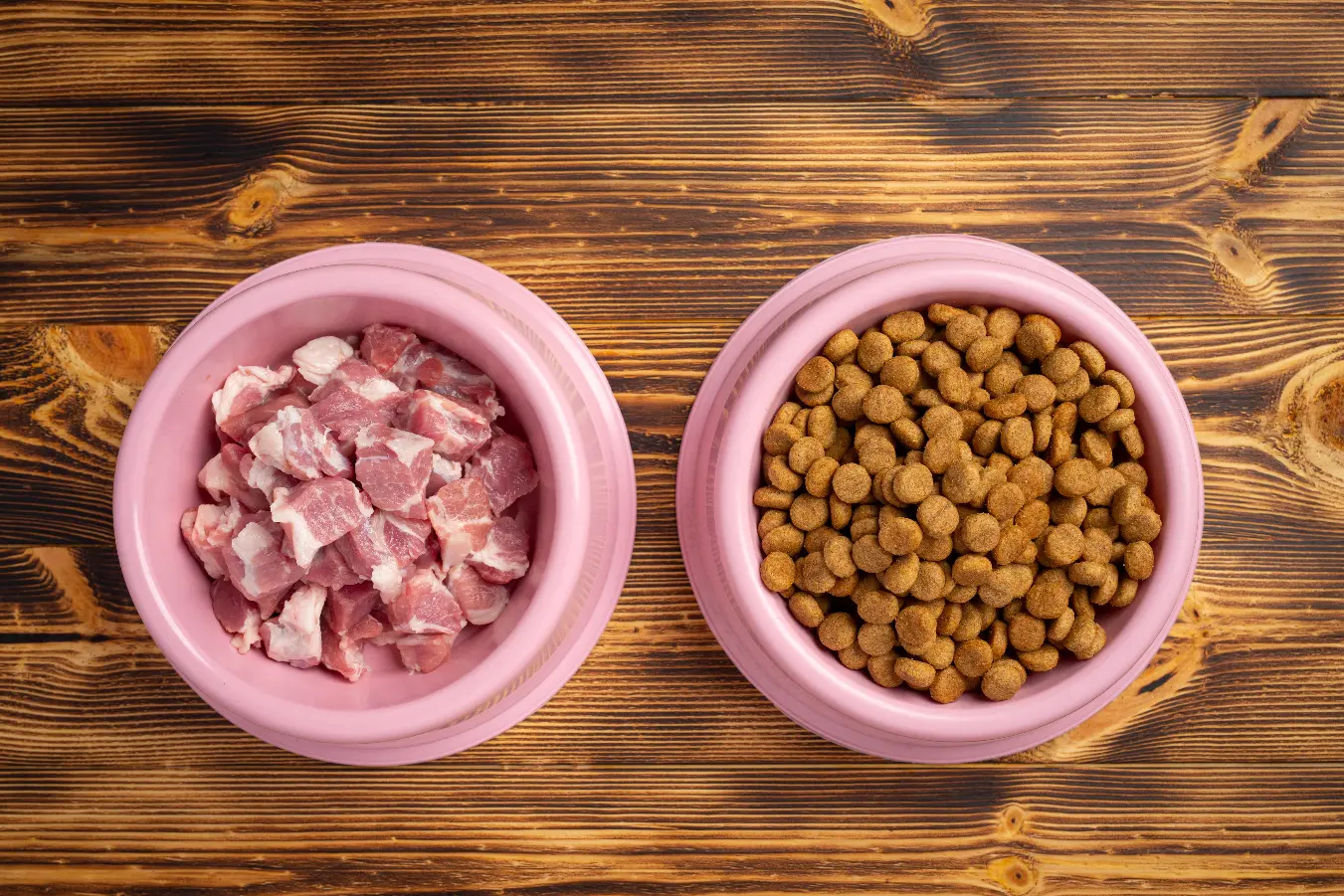
What Are Chicken By-Products in Dog Food
Chicken by-products in dog food spark more debate than almost any other pet food ingredient. You have probably spotted this term on a kibble bag and paused before adding it to your cart. It sounds unappetizing at first glance, yet it appears in many trusted, veterinarian-approved formulas.
This guide explains exactly what chicken by-products in dog food really are. You will learn how they are made, how they compare to other protein sources, and whether they deserve a place in your dog’s bowl. We will also cover label reading, nutrition facts, and healthier alternatives you can consider.
Understanding Chicken By-Products in Dog Food
According to AAFCO, chicken by-products are the clean, non-rendered parts of a chicken carcass. This includes organs like the liver, kidneys, spleen, and lungs. It also includes necks, feet, and undeveloped eggs.
It does not include feathers, heads, or feces under AAFCO guidelines. Manufacturers are required to follow strict definitions when labeling these ingredients. This keeps the term consistent across brands, at least on paper.
Chicken by-products in dog food are not simply waste swept off a factory floor. Many of these parts are nutrient-dense and used by wild canines in nature. Wolves rarely eat only muscle meat when hunting prey.
How Chicken By-Products Are Made
The production process starts right after chicken parts intended for human food are removed. The remaining organs and tissue are cleaned, cooked, and separated from bone and moisture. This process reduces the material into a concentrated protein source.
Once cooked, the mixture is dried and ground into a fine, shelf-stable ingredient. This is often called chicken by-product meal rather than fresh by-products. The meal form is more common in dry dog food because it has less moisture and a longer shelf life.
Are Chicken By-Products Bad for Dogs?
This is the most common question pet owners ask, and the honest answer is: it depends. Quality varies widely between manufacturers, even though the ingredient name looks identical on every label. A reputable company sources consistent, nutrient-rich organ meat.
A low-cost producer might use lower-grade material with less oversight. This inconsistency is the real concern, not the ingredient category itself. Chicken by-products in dog food are not inherently toxic or dangerous when sourced responsibly.
Nutritional Value of Chicken By-Products in Dog Food
Organ meats found in chicken by-products are naturally rich in protein, iron, and essential fatty acids. Liver alone supplies vitamin A, B vitamins, and copper. These nutrients support your dog’s immune system and coat health.
Compared to skeletal muscle meat, organs often contain more concentrated vitamins per gram. This is one reason many raw feeders intentionally include organ meat in home-prepared diets. It can offer similar nutritional density when properly processed.
Chicken By-Products vs Chicken Meal
Chicken meal is rendered muscle meat with bone, while by-product meal comes from organs and other carcass parts. Both are concentrated protein sources with moisture removed during processing. Neither term automatically means higher or lower quality.
The real differentiator is the manufacturer’s sourcing standard and quality control process. Some brands publish sourcing details on their websites for transparency. Checking a brand’s supply chain tells you more than the ingredient name alone.
Chicken By-Products in Dog Food: Pros and Cons
Weighing the benefits and drawbacks helps you decide if this ingredient fits your dog’s needs. Every dog is different, and tolerance can vary based on breed, age, and health history. Below is a simple breakdown to guide your decision.
Benefits of Chicken By-Products
There are several practical advantages that make this ingredient common in commercial dog food.
- High protein and amino acid content that supports muscle maintenance.
- Rich source of iron, zinc, and vitamin A from organ tissue.
- More affordable than premium muscle-only cuts, keeping food costs lower.
- Uses the whole animal, which reduces food industry waste.
Drawbacks of Chicken By-Products
There are also valid concerns pet owners raise about this ingredient category.
- Quality and sourcing are not visible from the label alone.
- Some dogs with sensitive stomachs may react poorly to organ-heavy formulas.
- The vague AAFCO definition allows some variability between suppliers.
How to Read Dog Food Labels for Chicken By-Products
Dog food labels list ingredients by weight, with the heaviest ingredient listed first. If chicken by-products in dog food appear early on the list, it is a primary protein source. If it appears near the end, it is likely a minor addition.
Look for a named species, such as chicken by-products, rather than a generic term like ‘meat by-products.’ Named ingredients are more traceable and generally indicate better manufacturing transparency. This small detail can tell you a lot about ingredient sourcing.
AAFCO Ingredient Definitions Explained
The Association of American Feed Control Officials sets the legal definitions every pet food label must follow. Understanding these standards helps you compare brands accurately. You can review the official AAFCO ingredient definitions to see exactly what qualifies as an approved ingredient.
The FDA’s guidance on pet food labeling also outlines labeling rules manufacturers must follow. Reviewing both sources builds confidence when comparing dog food brands. It also helps you spot vague or misleading claims faster.
Should You Choose Dog Food with Chicken By-Products?
The right choice depends on your dog’s individual health, budget, and dietary tolerance. Healthy adult dogs generally digest quality chicken by-products without issue. If you are still deciding, our guide on how to choose the right dog food walks through every major factor to consider before buying.
Budget is another common concern for pet owners comparing formulas. Our comparison on best dog food vs cheap dog food explains where quality differences actually matter most.
Signs Your Dog Needs a Different Diet
Watch for symptoms like loose stools, excessive gas, or itchy skin after meals. These signs can indicate your dog is not tolerating a specific ingredient well. If symptoms persist, a formula change is often the simplest first step.
For dogs prone to digestive upset, our guide to dog food for sensitive stomachs lists gentler formula options. Pairing the right diet with a dog supplement for gut health can also ease the transition between foods.
Frequently Asked Questions About Chicken By-Products in Dog Food
Are chicken by-products the same as chicken meal?
No, they are not identical ingredients. Chicken meal is rendered muscle meat, while chicken by-products in dog food come from organs and other carcass parts. Both are legitimate protein sources under AAFCO rules, but their nutrient profiles differ slightly.
Is chicken meal healthier than chicken by-products?
Not necessarily. Chicken meal offers concentrated muscle protein, while by-products provide organ-based vitamins and minerals. Neither option is automatically superior, since quality depends far more on the manufacturer’s sourcing and processing standards.
Can dogs with allergies eat chicken by-products?
Dogs with a confirmed chicken allergy should avoid any chicken-derived ingredient, including by-products. For dogs without a diagnosed allergy, chicken by-products in dog food are generally safe. Always consult your veterinarian before changing a diagnosed dog’s diet.
Why do some dog foods avoid chicken by-products altogether?
Some brands market ‘by-product free’ formulas to appeal to owners who prefer named muscle meats only. This is largely a marketing and perception choice rather than a nutritional requirement. Both formula types can meet a dog’s complete nutritional needs.
Final Thoughts on Chicken By-Products in Dog Food
Chicken by-products in dog food are not automatically harmful or low quality. The ingredient’s value depends heavily on sourcing, processing, and the overall formula it appears in. Reading labels carefully and choosing established brands matters more than avoiding the term entirely.
If cost is a concern, you do not have to sacrifice nutrition to save money. Our guide to budget dog food that doesn’t compromise quality highlights affordable options worth trying. Always monitor your dog’s response to any new food and adjust based on their individual needs.