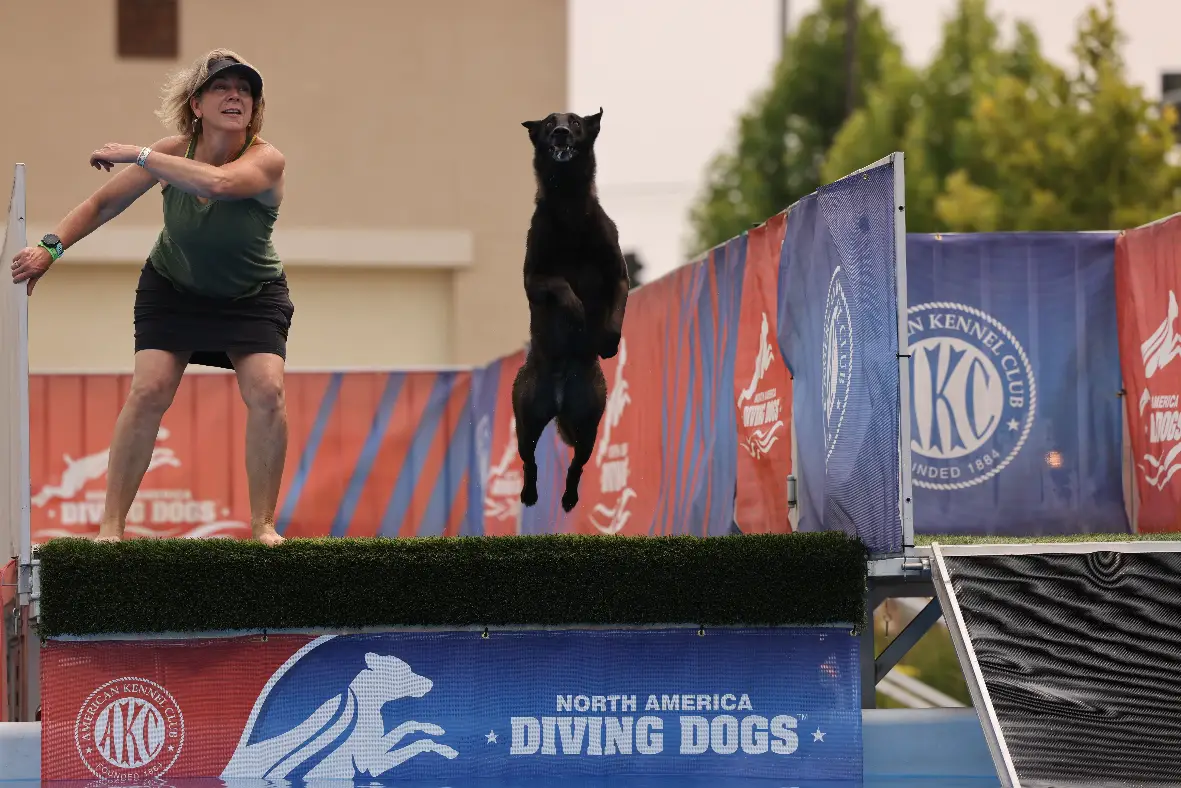
Dock Diving Training Tips For Dogs — Dock diving has become one of the fastest-growing dog sports in the world, and it is easy to see why. Dogs sprint down a dock, launch into open water, and chase a toy through the air while the crowd cheers. It looks effortless on television, but every confident jumper started as a nervous beginner who needed patience, structure, and the right guidance.
If you are searching for reliable dock diving training tips, this guide walks you through every stage of the process. You will learn how to prepare your dog physically and mentally, which gear actually matters, how to build the jump step by step, and how to protect your dog’s joints and skin once the training session ends.
What Is Dock Diving and Why Dogs Love It
Dock diving, sometimes called dock jumping or splash dog, is a competitive water sport where a dog runs the length of a dock and jumps as far or as high as possible into a pool or pond. The sport is officially organized by groups such as DockDogs, which sets the rules for events like Big Air, Extreme Vertical, and Speed Retrieve.
What makes dock diving so popular is how natural it feels for most dogs. Chasing a toy, sprinting, and jumping are behaviors many breeds already enjoy. Dock diving simply channels that instinct into a structured, low-impact activity that builds confidence, burns energy, and strengthens the bond between dog and handler.
Is Your Dog Ready for Dock Diving?
Before you introduce a dock or a pool, it helps to honestly assess whether your dog is physically and emotionally prepared for the sport. Rushing an unprepared dog into deep water is one of the most common reasons beginners lose interest or, worse, cause an injury.
Physical Requirements Before You Start
Most trainers recommend waiting until a puppy is at least twelve to eighteen months old before attempting real jumps, since growth plates need time to close. Your dog should also be a healthy weight, free from joint pain, and comfortable with basic recall and impulse control on land before you add water and height into the mix.
Temperament and Confidence Around Water
Not every dog needs to love water on day one, but they should be curious rather than fearful. Watch how your dog reacts near puddles, sprinklers, or a calm lake. A dog that sniffs, wades, or splashes voluntarily is a much easier candidate than one that backs away and refuses to approach the edge.
Essential Gear for Dock Diving Training
Having the right equipment on hand from day one keeps training sessions safe and efficient. Beyond the obvious floating toys, most handlers rely on a short list of items covered in our must-have dog accessories checklist, along with a few water-specific additions.
Choosing the Right Harness and Collar
A well-fitted harness gives you far more control on a slippery dock than a flat collar does, especially while your dog is still learning to wait at the line. If you are unsure which option suits your dog’s build and energy level, our comparison on harness versus collar for active dogs breaks down the pros and cons of each.
Harness vs Collar for Water Sports
For dock diving specifically, a snug harness with a top handle is usually the safest choice because it allows a handler to guide or steady a nervous dog near the edge without pulling on the neck. Collars remain useful for everyday walking but are not ideal once your dog starts building real jumping speed.
Life Jackets and Safety Equipment
A properly sized canine life jacket is non-negotiable for beginners. It keeps your dog’s head above water during the earliest sessions, gives you a grab handle for quick assistance, and builds confidence in dogs that are still uneasy about deep water. Bright colors also make your dog easier to spot in murky ponds or crowded practice pools.
Step-by-Step Dock Diving Training Tips
Dock diving is best taught in layers rather than all at once. Each stage below builds on the last, so avoid skipping ahead even if your dog seems eager to jump right in.
Step 1: Building Water Confidence
Start in a calm, shallow area such as a lake shoreline or a kiddie pool in the backyard. Toss a favorite toy just a few feet into the water and celebrate every step your dog takes toward it. The goal at this stage is not distance or speed, it is simply teaching your dog that water is fun and safe.
Step 2: Introducing the Dock
Once your dog swims comfortably, let them explore a low, stable dock or platform on leash. Walk to the edge together, reward calm behavior, and let your dog look down at the water without pressure to jump. Some dogs will jump in on their own out of excitement, which is a great sign, while others need a few sessions just getting used to the surface and the sound of it.
Step 3: Teaching the Retrieve Drive
Dock diving relies heavily on prey drive, so a strong toy retrieve on land is essential before you combine it with water. Practice short throws in your yard, rewarding a fast chase and a clean return. The stronger the retrieve instinct, the less coaxing you will need once your dog is standing at the edge of a dock.
Step 4: Practicing the Approach and Jump
With confidence and drive established, start with very short throws right at the edge of the dock so your dog barely has to extend to reach the toy. Gradually back your dog up a few feet at a time to build a short run-up. Keep every early session upbeat, short, and ending on a success rather than a struggle.
Step 5: Adding Distance and Height Gradually
Only increase distance, dock height, or throw length once your dog is jumping the previous level with visible enthusiasm. Trainers commonly recommend increasing difficulty by no more than ten to fifteen percent per session, since jumping is a high-impact movement that stresses the shoulders, spine, and hind legs.
Common Mistakes to Avoid in Dock Diving Training
Even motivated handlers can slow their dog’s progress by making a few avoidable errors during training. Recognizing these early saves weeks of frustration for both of you.
Rushing the Process
The single biggest mistake new handlers make is pushing a dog toward deep water or a high dock before real confidence has been built. A bad early experience, such as an accidental dunking or a painful landing, can set training back by months. Slow, boring, repetitive success is far more valuable than one dramatic jump.
Ignoring Recovery and Nutrition
Dock diving is genuinely demanding cardio and strength work, so recovery days and proper fueling matter just as much as the jumps themselves. Active dogs benefit from a diet built around real protein sources, which our guide on choosing the right food for active dogs explains in more detail.
Health and Safety Considerations
Because dock diving involves repeated jumping and landing, it places real force on a dog’s joints and skin. A little preventative care goes a long way toward keeping your dog healthy for years of jumping.
Joint Care for Jumping Dogs
Repeated hard landings can aggravate hips, elbows, and shoulders over time, particularly in large or giant breeds. It is worth understanding how orthopedic issues develop in active dogs so you can recognize early warning signs like stiffness, hesitation before jumping, or a shortened stride, and adjust training intensity before a minor issue becomes a serious one.
Post-Swim Grooming and Ear Care
Trapped water in the ears and skin irritation from pool chemicals or lake bacteria are two of the most common complaints among dock diving dogs. A gentle rinse followed by a shampoo formulated for sensitive skin, like the options in our guide to shampoos for itchy skin, helps prevent hot spots after a day at the pool.
Preventing Ear Infections After Swimming
Water that lingers in the ear canal creates the perfect environment for yeast and bacteria to grow, which is especially common in floppy-eared breeds. Wiping the outer ear with gentle, alcohol-free ear wipes after every swim session is a quick habit that prevents most infections before they start.
Best Dog Breeds for Dock Diving
While almost any healthy dog can learn to enjoy dock diving, certain traits consistently show up in top competitors. Retrievers, spaniels, and pointing breeds tend to excel because of their natural love of water and strong retrieve drive. High-drive working breeds and mixed-breed dogs with athletic builds also do very well once they understand the game.
If you are still getting to know your dog’s natural instincts and physical traits, our overview of different dog breeds and their characteristics is a useful starting point for understanding what your particular dog may be built for.
How to Keep Your Dog Motivated During Training
Motivation fades quickly when training feels repetitive or when rewards lose their appeal. Keep sessions short, ideally under fifteen minutes, and always end on a successful jump so your dog associates the dock with winning rather than fatigue.
High-value rewards make a noticeable difference during the early stages. Many handlers keep soft, easy-to-chew treats like the ones in our recommended training treats on hand so they can reward a great jump instantly, right at the water’s edge.
Rotating toys is another simple way to maintain enthusiasm. A dog that retrieves the same toy in every single session can lose interest, so keeping two or three floating favorites in rotation, reviewed in our roundup of the
best dog toys dogs actually love, keeps every session feeling like a game rather than a drill.
FAQs About Dock Diving Training Tips
At What Age Can a Dog Start Dock Diving?
Most trainers and event organizers recommend waiting until a dog is at least twelve months old, and often closer to eighteen months for larger breeds, so the growth plates and joints have time to mature before absorbing the impact of repeated jumps.
Do All Dogs Need a Life Jacket?
Beginners of every breed benefit from a life jacket, since it builds confidence and provides a safety margin while swimming skills are still developing. Experienced dogs with strong swimming ability may eventually train without one, but it remains a smart precaution at unfamiliar locations.
How Long Does It Take to Train a Dog to Dock Dive?
Timelines vary widely depending on the individual dog’s confidence and drive, but most dogs progress from first water introduction to a confident jump within four to eight weeks of consistent, short training sessions.
Final Thoughts on Dock Diving Training
Dock diving rewards patience far more than it rewards speed. A dog that is allowed to build genuine confidence in the water, one small success at a time, will almost always outperform a dog that was pushed too quickly. Focus on making every session fun, protect your dog’s joints and skin along the way, and the big jumps will follow naturally.
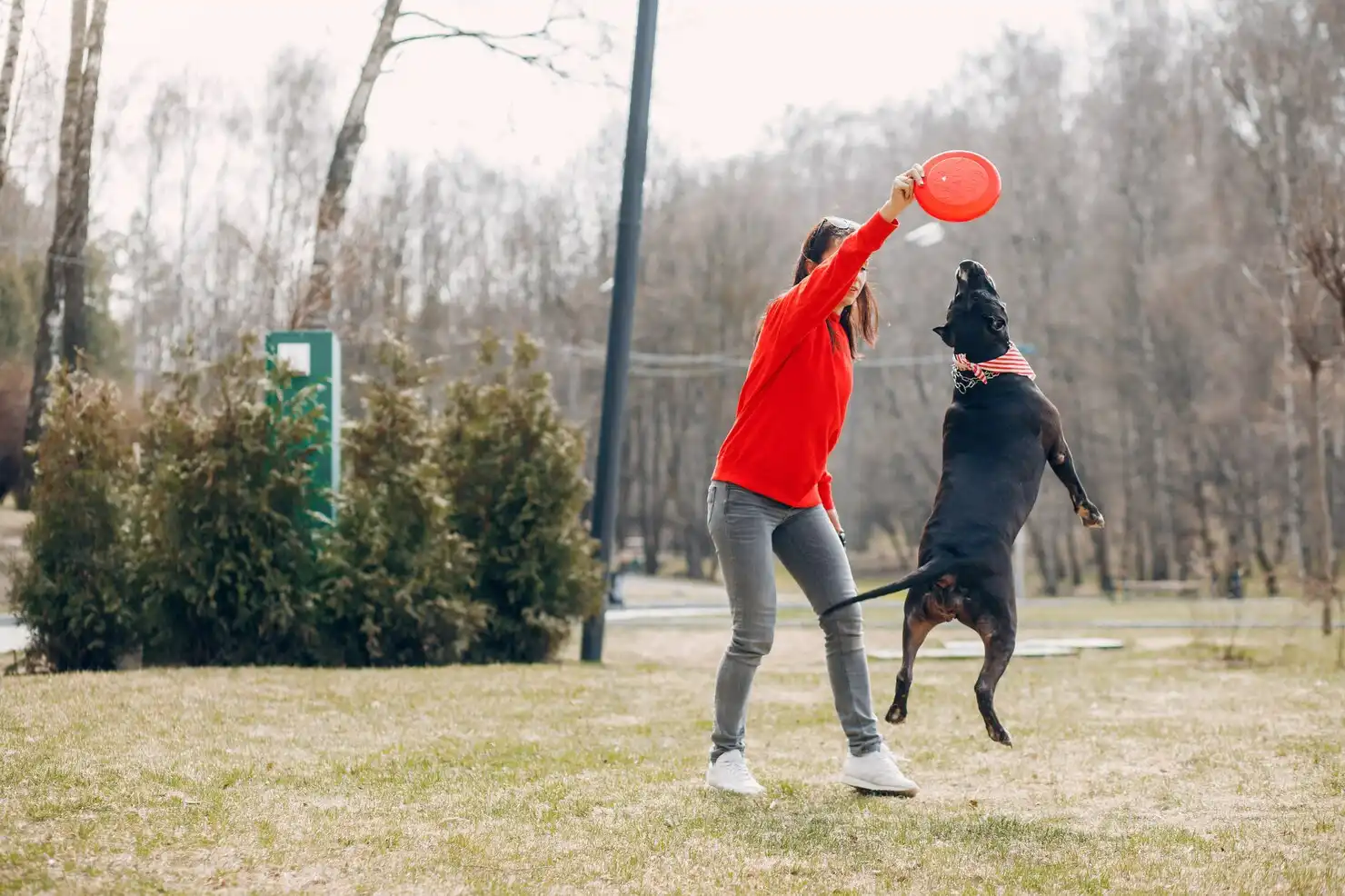
For more ways to keep an active dog healthy between training sessions, take a look at our related guide on freestyle flying disc training, another high-energy sport that pairs perfectly with dock diving for dogs that love to run and jump.