Jack Russell Hurdle Racing Training Guide: Turn Your Terrier Into a Track Star
Jack Russell Terriers are small dogs with huge engines. They were bred to chase, dig, and never quit. That same drive makes them naturals for hurdle racing. If you want to start Jack Russell hurdle racing training with your own dog, this guide walks you through every step. You will learn what hurdle racing is, why Jack Russells are built for it, and how to train safely at home.
We will also cover conditioning, nutrition, common mistakes, and where to find real competitions. Whether you are chasing ribbons or just want a fun outlet for your dog’s energy, this guide gives you a clear path forward.
What Is Jack Russell Hurdle Racing?
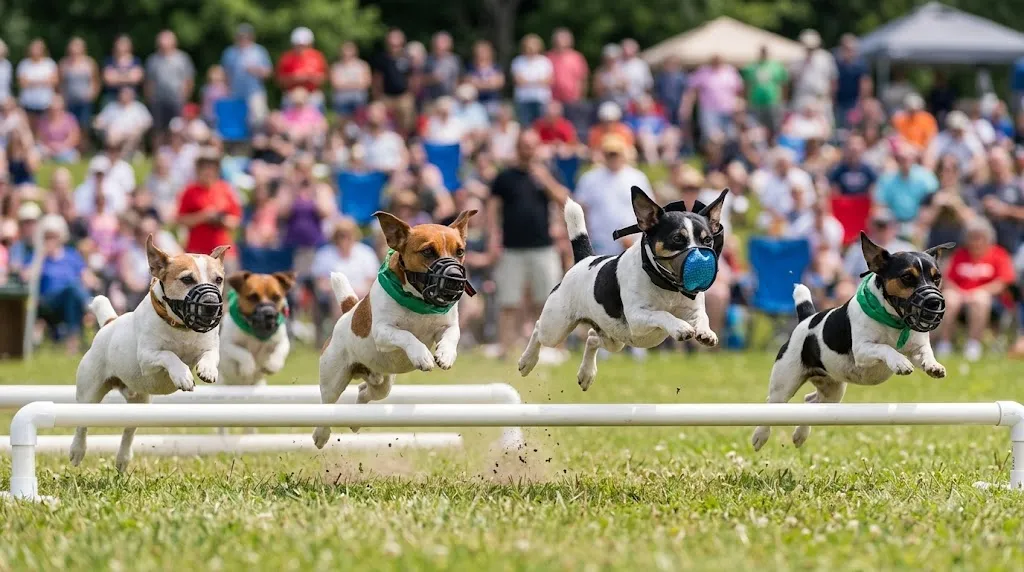
Jack Russell hurdle racing is a timed sprint event. Dogs chase a scented lure down a straight track. Along the way, they leap over a small number of evenly spaced hurdles. The course usually spans 140 to 225 feet, depending on the venue.
At the finish, dogs dash through a narrow opening that only allows one dog through at a time. This event grew out of traditional terrier trials, and it is now a headline attraction at events like the Purina Pro Plan Incredible Dog Challenge. Handlers race their dogs in heats of about six. The fastest two or three dogs from each heat move on to the next round.
It is loud, fast, and over in seconds. That is exactly why crowds and owners love it. For a breed built on instinct and energy, hurdle racing training turns natural drive into a real sport.
Why Jack Russells Excel at Hurdle Racing Training
Not every breed can handle the speed and focus this sport demands. Jack Russells were made for it, both mentally and physically.
Natural Speed and Prey Drive
Jack Russells were originally bred to hunt fox and vermin underground. That job demanded speed, drive, and total focus on a moving target. A racing lure taps directly into that same prey drive. The moment a Jack Russell sees the lure move, instinct takes over. This natural motivation is why hurdle racing training often clicks faster with this breed than with less driven dogs. You are not fighting instinct here. You are channeling it into a controlled, structured game.
Compact, Athletic Build
Jack Russells stand between 10 and 15 inches tall. Their light frame and strong hindquarters give them explosive acceleration. That build lets them clear small hurdles without breaking stride. Combined with a low center of gravity, they corner and recover speed fast after every jump. Few breeds match this ratio of power to size. If you want to compare this athletic build against other breeds, browse our guide to types of dogs to see how Jack Russells stack up.
Getting Started With Jack Russell Hurdle Racing Training
Before you set up a single hurdle, get the basics right. Good preparation prevents most injuries and setbacks later on.
Age and Health Requirements
Most trainers recommend starting exposure around four months old, using only very low obstacles. Young joints are still developing, so full-height hurdles should wait until your dog is closer to a year old. Always schedule a vet check before starting any jump-based hurdle racing training program. Confirm your terrier has healthy hips, knees, and a strong heart before you add speed and impact work into the routine.
Essential Equipment for Hurdle Racing
You do not need a professional track to begin. A few simple pieces of gear are enough to start real practice at home.
Choosing the Right Hurdles
Start with hurdles no higher than 4 to 6 inches. You can buy adjustable practice hurdles online or build simple ones from PVC pipe. Space them at least 15 to 20 feet apart, matching the spacing used at sanctioned events. This spacing gives your dog room to land, gather stride, and accelerate again before reaching the next jump.
Muzzles, Collars, and Safety Gear
Sanctioned races require a soft or basket-style muzzle for every dog. Introduce the muzzle early and let your terrier wear it during meals and short walks. This builds positive association long before race day. You will also want a bright racing collar so catchers and judges can identify your dog during heats. Keep nails trimmed short before every session too, since long nails hurt grip and can cause injury on the track. Our gonicc dog nail clippers make this quick and stress-free before practice.
Step-by-Step Jack Russell Hurdle Racing Training Guide
Follow this order and resist the urge to skip steps. A structured approach to hurdle racing training builds confidence, not just speed.
Step 1: Build Basic Obedience First
Before any hurdle work begins, your terrier needs a solid recall and a reliable sit-stay. These commands keep training sessions controlled and safe. Practice short, five-minute sessions daily. Reward every success right away with a small training treat. Our Milk-Bone soft chewy dog treats work well here, since they are easy to reward with mid-run without slowing your dog down.
Step 2: Introduce Low Hurdles at Home
Set one hurdle in your yard at its lowest height. Walk your dog over it on a leash first. Once your terrier steps over confidently, encourage a light trot. Never force a jump. Let curiosity and food rewards do the work instead.
Step 3: Add a Lure to Trigger Prey Drive
Once your dog handles a single hurdle calmly, introduce a lure. A rag tied to a string, dragged quickly along the ground, works well for this. Let your terrier chase it over the hurdle a few times. This step usually turns a slow walk into an eager sprint within days, because it switches on natural hunting instinct.
Step 4: Increase Hurdle Height Gradually
Add height in small increments, no more than an inch per week. Watch your dog’s landing form closely during every rep. If your terrier starts refusing jumps or landing awkwardly, drop the height back down. Rushing this stage is the fastest way to cause a soft tissue injury that sidelines training for weeks.
Step 5: Practice Full Race Simulations
Once your dog clears three or four hurdles cleanly, set up a full course. Space hurdles 15 to 20 feet apart across a straight run of at least 60 feet. Have a helper hold your dog at the start while you call from the finish with a treat or toy. This mimics real competition conditions and builds genuine race-day confidence.
Common Mistakes in Jack Russell Hurdle Racing Training
Even eager, athletic dogs can be set back by avoidable handler mistakes. Watch for these common errors:
- Skipping the vet check before starting jump training
- Raising hurdle height too fast, before form is solid
- Training on hard, hot, or slippery surfaces
- Skipping muzzle conditioning until race day arrives
- Pushing a young or tired dog past its limit
Any one of these mistakes can slow progress or cause injury. Fix the foundation first, and the speed will follow naturally as your terrier grows more confident.
Conditioning and Nutrition for Racing Jack Russells
Hurdle jumps alone will not build a race-ready dog. Overall conditioning and diet matter just as much as technique.
Physical Conditioning Tips
Racing terriers need more than hurdle drills. Add short sprint sessions, controlled tug play, and regular walks to build stamina. Warm up with five minutes of light trotting before every session, and cool down the same way afterward. This routine protects joints and keeps your terrier ready for the next round of hurdle racing training.
Feeding Your Racing Terrier
Active dogs burn more energy and need quality protein to rebuild muscle after every session. Check our detailed breakdown of how much protein should be in your dog’s food to fine-tune your terrier’s diet for real performance. For extra digestive support during heavy training blocks, many owners also add a Dinovite gut health supplement to keep energy levels and coat condition steady.
Safety Tips for Jack Russell Hurdle Racing
Always train on grass, dirt, or turf rather than concrete or tile. Hard surfaces increase joint stress and injury risk during hurdle racing training. Keep sessions short, five to ten minutes, especially for puppies and young dogs.
Watch for signs of overheating, since terriers can push past their limits while chasing a lure. Stop immediately if you notice limping, heavy panting, or reluctance to keep going. A short recovery day is always better than a long injury.
Finding Jack Russell Hurdle Racing Competitions Near You
The JRTCA sanctions terrier trials across the country, and hurdle racing is one of the main events at every trial. You can browse JRTCA sanctioned trials to find a schedule near you and see the official race format up close.
If your terrier enjoys the thrill of competition, you might also like exploring other dog sports on our blog. Check out our guides to dock diving training tips, Fetch It competition training tips, and dog surf competition training for more ways to channel your dog’s energy into fun, structured events.
Frequently Asked Questions About Jack Russell Hurdle Racing Training
At What Age Can a Jack Russell Start Hurdle Racing Training?
Most owners begin light exposure around four months old, using very low obstacles under close supervision. Full-height hurdle work should wait until your terrier is closer to a year old, once growth plates have closed and joints are stronger.
How High Are the Hurdles in Jack Russell Racing?
Sanctioned hurdle races typically use small, evenly spaced obstacles that a healthy adult terrier can clear easily at speed. Home practice hurdles usually start around 4 to 6 inches and increase gradually as your dog builds strength and confidence.
Do Jack Russells Need a Muzzle for Hurdle Racing?
Yes, sanctioned trials require every racing terrier to wear a soft or basket-style muzzle for safety. This protects both the dogs and the volunteer catchers waiting at the finish line, so early muzzle training is a must.
Final Thoughts on Jack Russell Hurdle Racing Training
Jack Russell hurdle racing training rewards patience, consistency, and a little bit of fun. Start slow, protect your dog’s joints, and let natural prey drive do the heavy lifting. Before long, your terrier will be flying over hurdles with total confidence. If your dog also loves other high-energy sports, take a look at our freestyle flying disc dog training guide for another exciting outlet. And before your next training session, stock up using our list of 7 must-have dog accessories every owner should keep on hand.